Trending today
Popular movies
Popular TV
Top rated movies
Trending today
Popular movies
Popular TV
Top rated movies
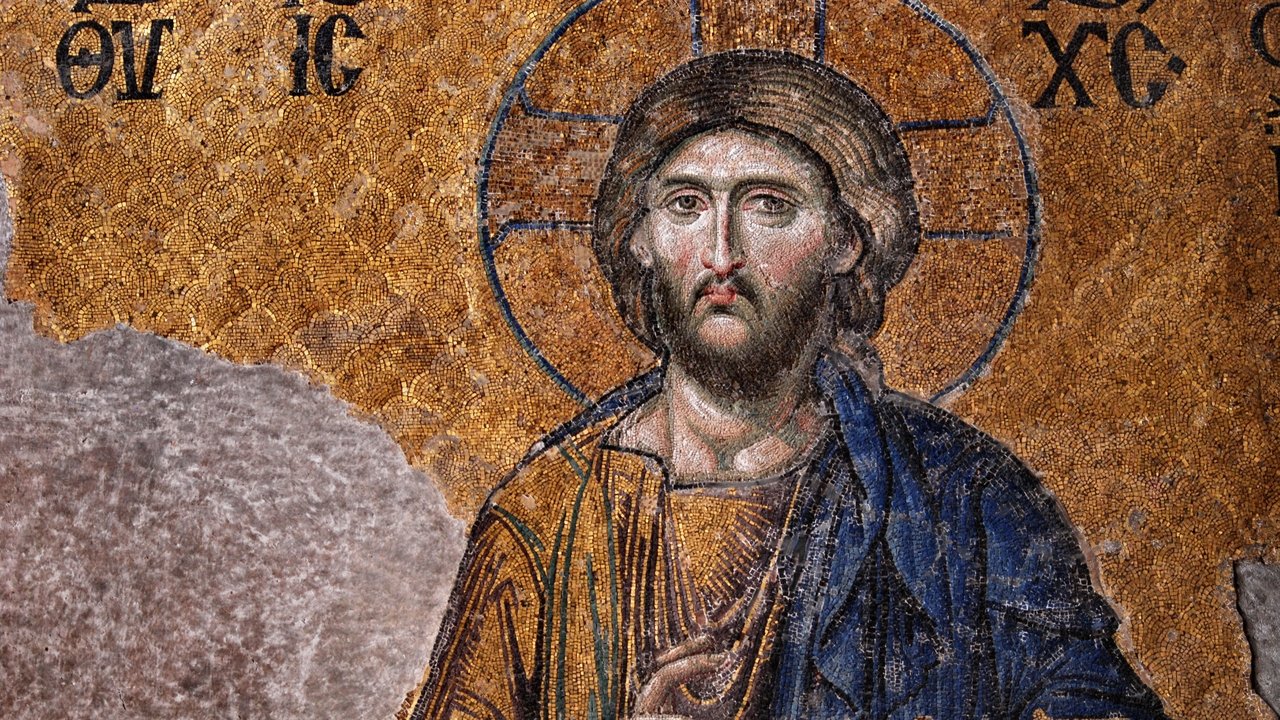

Yale Courses - This course approaches the New Testament not as scripture, or a piece of authoritative holy writing, but as a collection of historical documents. Therefore, students are urged to leave behind their pre-conceived notions of the New Testament and read it as if they had never heard of it before. This involves understanding the historical context of the New Testament and imagining how it might appear to an ancient person.
Jump into any season
First episodes — open an episode to play
Introduction: Why Study the New Testament?
This course approaches the New Testament not as scripture, or a piece of authoritative holy writing, but as a collection of historical documents. Therefore, students are urged to leave behind their pre-conceived notions of the New Testament and read it as if they had never heard of it before. This involves understanding the historical context of the New Testament and imagining how it might appear to an ancient person.
From Stories to Canon
The Christian faith is based upon a canon of texts considered to be holy scripture. How did this canon come to be? Different factors, such as competing schools of doctrine, growing consensus, and the invention of the codex, helped shape the canon of the New Testament. Reasons for inclusion in or exclusion from the canon included apostolic authority, general acceptance, and theological appropriateness for "proto-orthodox" Christianity.
Shows with a similar vibe
Because you viewed this
The Greco-Roman World
Knowledge of historical context is crucial to understanding the New Testament. Alexander the Great, in his conquests, spread Greek culture throughout the Mediterranean world. This would shape the structure of city-states, which would share characteristically Greek institutions, such as the gymnasium and the boule. This would also give rise to religious syncretism, that is, the mixing of different religions. The rise of the Romans would continue this trend of universalization of Greek ideals and religious tolerance, as well as implement the social structure of the Roman household. The Pax Romana, and the vast infrastructures of the Roman Empire, would facilitate the rapid spread of Christianity.